
As details of the death toll for January’s protests continue to emerge, three students explain why they are resisting a return to normality
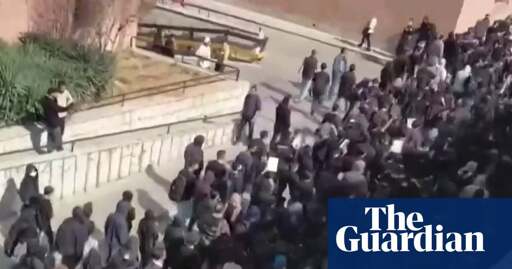
More than 45 days after a brutal January crackdown that left thousands of Iranian protesters dead, students across several universities are protesting again. As Iran’s new academic term began on Saturday, students in Tehran gathered on campus, chanting anti-government slogans, despite a heavy security presence and plainclothes officers stationed outside university gates.
The Guardian spoke to protesting students about why they were rallying despite the fact that thousands had been killed and tens of thousands arrested in the January demonstrations.
“Our classrooms are empty because the graveyards are full,” said Hossein*, 21, a student at the University of Tehran. “It’s for them – our friends, classmates and compatriots, who were gunned down in front of our eyes, that we decided to boycott the classes.”
deleted by creator
Well, your copypaste doesn’t really say what you say it does but, yeah, even if that was the case how does it help the people of Iran?
deleted by creator
There aren’t too many sentences there. You can do this.
I get where you’re clumsily aiming at but the current situation is what it is. The Iranian people don’t gain shit when we limit ourselves to reciting history to eachother
deleted by creator