
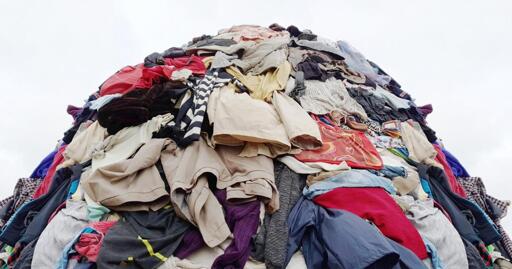
Instead of discarding stock, companies are encouraged to manage their stock more effectively, handle returns, and explore alternatives such as resale, remanufacturing, donations, or reuse.
The ban on destruction of unsold apparel, clothing accessories and footwear and the derogations will apply to large companies from 19 July 2026. Medium-sized companies are expected to follow in 2030. The rules on disclosure under the ESPR already apply to large companies and will also apply to medium-sized companies in 2030.
So now they’ll dump it in a warehouse somewhere and raise prices to pay rent on that warehouse like all good scam recycling companies do.
And they’ll tell the EU that they’re waiting for an opportunity to sell it but that hasn’t arisen yet. And thus, by and large, they won’t change how they operate.
The key is that you still dump it in that warehouse but then when that warehouse is full you do actually sell it to a shell company who isn’t going to bother with oversight and they ignore it until it catches fire or is otherwise destroyed or somehow become someone else’s burden, then they collect the insurance money… maybe with more shenanigans, but problem is solved.
Companies do it with dangerous chemicals that are burdensome to dispose of all the time.